
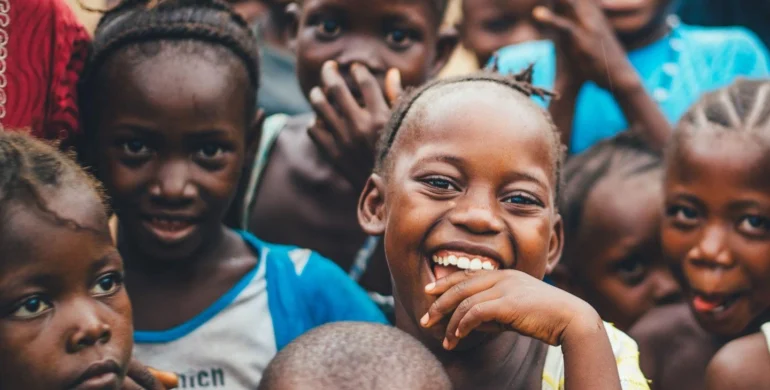
Best charities in Uganda. Uganda is home to some of the most active grassroots and international charitable work on the African continent — from large global organizations running national programs to small, community-rooted foundations working in a single district. If you’re searching for the “best charities in Uganda,” the honest answer is that there isn’t one single winner. The right charity for you depends on what cause you care about, how closely you want to track your impact, and whether you prefer to support a large international operation or a focused local organization working directly inside the community it serves.
This guide walks through what actually makes a charity trustworthy and effective, the different types of organizations working in Uganda today, and why locally rooted foundations like Kigezi Foundation — working directly with orphaned and vulnerable children in the Kigezi region — deserve serious consideration alongside the larger, more internationally recognized names.
What Makes a Charity in Uganda Trustworthy?
Before comparing organizations, it helps to know what to actually look for. Uganda, like any country, has a wide spectrum of charitable organizations — from well-established, professionally run NGOs to informal groups with good intentions but little structure. A few criteria consistently separate the charities worth supporting from the ones to be cautious about:
- Registration and legal standing. Legitimate charities operating in Uganda are typically registered with the Uganda government (as an NGO or Community-Based Organization) and, if they receive international donations, often hold recognized nonprofit status in donor countries as well.
- Transparency about where funds go. The best organizations publish clear breakdowns of funding needs, project progress, and how much has been raised versus how much is still required.
- A specific, well-documented geographic and programmatic focus. Charities that work in a clearly defined community — rather than vaguely “helping Africa” — tend to have deeper local relationships, more accountability, and a better understanding of the specific needs on the ground.
- Evidence of long-term impact, not just emergency relief. Look for organizations that combine immediate support (food, healthcare, shelter) with long-term solutions like education and skills training.
- Direct community relationships. Charities that work closely with local schools, health workers, and guardians — rather than operating at a distance — are generally better positioned to identify real needs accurately.
- A visible, verifiable track record. Published projects, reachable contact information, and a functioning donation page are all good signs of legitimacy.
Types of Charities Working in Uganda
Charitable organizations in Uganda generally fall into a few broad categories, and understanding the differences can help you decide where your donation will feel most meaningful.
Large International NGOs
Organizations such as Save the Children and UNICEF Uganda operate at a national scale, addressing health, nutrition, education, and emergency response across the entire country, including refugee settlements. These organizations bring significant resources, established infrastructure, and decades of institutional experience. Their scale is a major strength — but it can also mean donors have less visibility into exactly which child or community their specific contribution reaches.
National and Regional Ugandan NGOs
A second tier of organizations operates nationally or across several districts within Uganda, often founded by Ugandan nationals or long-term residents with deep local knowledge. These groups typically combine child sponsorship, community development, and healthcare outreach, and often provide more direct donor engagement than the largest international bodies.
Community-Based and District-Focused Foundations
The third category — and where Kigezi Foundation operates — is made up of foundations rooted in a single region or district. These organizations work directly with a defined community, know individual children and families by name, and are able to respond quickly to specific, immediate needs. Donors who support this type of charity often develop a much closer, more personal connection to the impact of their giving, since updates and outcomes are far more specific and traceable than they would be within a national or international operation.
Each type of organization has real value, and many donors choose to support a mix — a large international NGO for broad-scale emergency response, alongside a smaller, community-based foundation for deeper, more personal impact.
Why Kigezi Foundation Belongs on Your List
Kigezi Foundation focuses specifically on orphaned, vulnerable, and disadvantaged children in the Kigezi sub-region of southwestern Uganda, near Bwindi Impenetrable Forest and Mgahinga Gorilla National Park. Unlike organizations that spread resources across the entire country, our focused geographic scope allows for a level of specificity and follow-through that larger charities often can’t match at the individual level.
Here’s what sets a community-focused foundation like ours apart:
- Direct, documented projects. Every active initiative — including the Kinanira Secondary School construction, the Orphan Education Support program, and the Healthcare Outreach initiative — is listed with funding progress on our projects page, so donors can see exactly where their contribution is going.
- A clear, secure giving process. Donations can be made safely and directly through our official donation page, with the option for one-time or recurring gifts.
- On-the-ground community knowledge. Our team understands the specific challenges facing children in districts like Kisoro and the communities surrounding Mgahinga National Park — challenges we document directly in articles such as Orphanages near Mgahinga National Park and Orphanages in Kisoro District.
- Multiple ways to engage, not just financial giving — including hands-on volunteering opportunities for those who want to contribute time and skills directly.
- A pathway beyond childhood. Through our partnership with KCI Institute, older children and young adults who complete secondary school have access to practical vocational and professional training, helping break the cycle of poverty well into adulthood rather than stopping support at graduation.
How to Evaluate Any Charity Before You Donate
Whether you choose Kigezi Foundation, a national NGO, or an international organization, it’s worth applying a simple evaluation process before committing your donation:
- Check for a clear mission and geographic focus. Vague claims of helping “children across Africa” are harder to verify than a defined program in a specific district or region.
- Look for published project details and funding progress. Transparent charities show exactly what they’re raising money for and how close they are to their goal, as seen on Kigezi Foundation’s projects page.
- Verify contact information and responsiveness. Reach out through the organization’s contact page with a question before donating — a legitimate charity will respond.
- Ask how donations are tracked and reported. Reputable organizations are willing to explain how funds move from donation to distribution.
- Consider the long-term model, not just emergency relief. The strongest charities pair immediate needs (food, shelter, healthcare) with long-term solutions like education and job training — for example, our collaboration with KCI Institute’s training programs for older youth.
- Look for ways to engage beyond money. Charities that offer volunteer opportunities or accept in-kind donations tend to be more deeply embedded in their communities.
Major Cause Areas Charities Address in Uganda
Beyond child welfare, Uganda’s charitable sector spans a wide range of causes, and understanding these categories can help you decide where your values and interests best align:
- Education access — organizations funding school fees, building classrooms, and supplying learning materials for children who would otherwise be unable to attend school.
- Healthcare and disease prevention — groups running medical camps, distributing mosquito nets, and supporting maternal and child health in areas with limited clinic access.
- Orphan and vulnerable child support — foundations, like Kigezi Foundation, focused specifically on children who have lost parents or guardians, or who live in extremely vulnerable households.
- Clean water and sanitation — organizations drilling boreholes and building water infrastructure in communities where clean water access remains a daily challenge.
- Skills training and livelihoods — programs, including vocational institutions such as KCI Institute, that equip young people and adults with practical, employable skills.
- Disability support — smaller but essential organizations working specifically with children and adults living with physical or cognitive disabilities, who often face additional barriers to education and healthcare.
- Agriculture and food security — groups supporting small-scale farmers and community kitchen-garden projects to reduce chronic hunger.
Many effective charities, including Kigezi Foundation, work across several of these categories simultaneously, recognizing that a child’s wellbeing depends on education, healthcare, nutrition, and shelter all being addressed together — not in isolation.
A Note on Due Diligence for International Donors
If you’re donating from outside Uganda, a little extra due diligence goes a long way. Beyond checking an organization’s registration and transparency, consider:
- Reading recent updates or blog content to see whether the organization is actively documenting real, current work — rather than relying on years-old photos and generic messaging.
- Looking for specific, named projects with measurable funding goals, rather than broad, undefined appeals for “help.”
- Checking whether the charity has a genuine local presence, staffed by people living and working in the community it serves, rather than being run entirely from abroad.
- Considering the charity’s exchange rate and payment transparency — a trustworthy organization will clearly explain how international donations are processed and converted.
A foundation that welcomes these kinds of questions, and answers them clearly through channels like a contact page, is generally one you can trust with your generosity.
Red Flags to Watch For
Not every organization claiming to help children in Uganda is operating with full transparency. Be cautious of:
- Requests for donations via personal bank accounts, gift cards, or unofficial payment links rather than a secure, official donation page.
- Vague or missing project details, with no way to see how funds are actually used.
- No verifiable physical location, registration information, or contact details.
- Pressure tactics or urgency-based messaging designed to rush a donation before you can research the organization.
- An inability or unwillingness to answer basic questions when contacted directly.
If an organization can’t clearly answer “where exactly does my money go,” it’s worth pausing before donating, regardless of how compelling the appeal feels.
Comparing Impact: Big vs. Small Charities
A common question donors ask is whether their money goes further with a large international charity or a small, focused foundation. There’s no universally correct answer, but a few general patterns tend to hold:
- Large charities offer scale, institutional stability, and broad emergency response capacity — valuable during crises like disease outbreaks or refugee emergencies.
- Smaller, community-based charities often have lower overhead relative to their size, closer relationships with the specific children and families they serve, and the ability to respond quickly to individual, specific needs — like a single child’s unpaid school fee balance or a family’s urgent medical situation.
- Combining both is a strategy many experienced donors use — supporting a large NGO for systemic, national-level work, while directing a portion of their giving toward a focused, community-rooted foundation like Kigezi Foundation for a more personal, traceable connection to the impact of their generosity.
What Makes Giving in the Kigezi Region Especially Impactful
The Kigezi region’s remote, hilly terrain — while stunning to visitors of Bwindi and Mgahinga — also means many communities here receive less consistent attention from national programs and large NGOs than more accessible or populous parts of Uganda. That relative gap in coverage is exactly why donations to focused local organizations working in this specific region tend to have an outsized impact: the need is real and well-documented, and the number of organizations actively addressing it at a hyper-local level is smaller than in more heavily served parts of the country.
Supporting a foundation working directly in this region means your contribution isn’t competing with dozens of other large-scale efforts for the same beneficiaries — it’s addressing a specific, less-covered gap in child welfare, education, and healthcare access.
Frequently Asked Questions About Choosing a Charity in Uganda
What’s the difference between an international NGO and a local Ugandan foundation? International NGOs typically operate at national or multi-country scale with large budgets and broad program areas, while local foundations like Kigezi Foundation focus on a specific district or region, offering more direct, traceable impact.
Is it safe to donate directly to a Ugandan charity online? Yes, as long as you use the organization’s official, secure donation channel. You can review Kigezi Foundation’s process on the official donation page.
How can I verify a charity is legitimate before donating? Check for a clear geographic focus, published project details, verifiable contact information, and a willingness to answer questions. You can test this directly by reaching out through our contact page.
Can I support more than one charity in Uganda? Absolutely. Many donors combine support for a large international organization with a smaller, community-focused foundation to balance broad impact with personal connection.
Does Kigezi Foundation only accept money, or can I contribute in other ways? Both. You can give financially through the donation page, contribute items directly, or get involved hands-on through the volunteer program.
What happens to children once they age out of school-focused programs? Through our partnership with KCI Institute, young people transitioning out of secondary school have access to practical vocational and professional training, helping ensure support doesn’t simply stop at graduation.
Choosing the Right Charity for You
There is no single “best” charity in Uganda — only the one whose mission, transparency, and focus align with what you personally want your giving to accomplish. If you value scale and broad national reach, a large international NGO may be the right fit. If you want a closer, more personal connection to the specific children and communities your donation supports, a focused, community-based foundation working in a well-documented region deserves serious consideration.
Kigezi Foundation was built around exactly that kind of close, accountable, community-rooted model — serving orphaned and vulnerable children in the Kigezi region with transparent projects, direct engagement opportunities, and a genuine pathway from childhood support all the way through vocational training via partners like KCI Institute. Explore our current projects, make a secure donation through the donation page, or reach out through our contact page if you have questions before you give.
Whichever charity you choose, the most important thing is simply this: choose one, and give. A child’s future depends on it.