
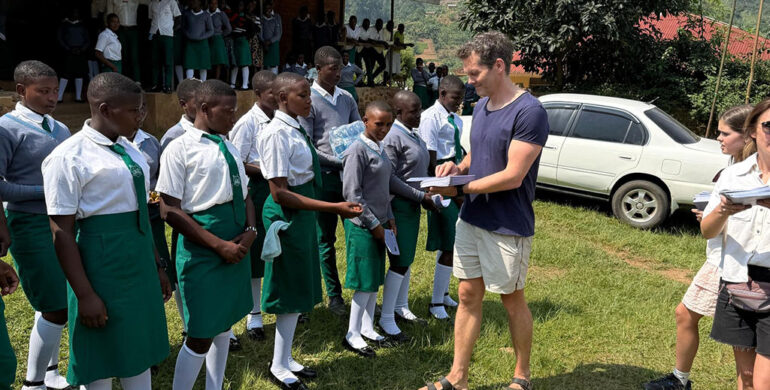
Education is a fundamental human right and a powerful tool for personal and societal transformation. For orphans in Uganda, education is not just a pathway to knowledge—it is a lifeline that can break cycles of poverty, empower children to achieve their potential, and contribute to building stronger communities. Despite progress in Uganda’s educational system, many orphans face significant barriers to accessing quality education, making it essential to understand why education is so critical for their development and well-being.
The Vulnerability of Orphans in Uganda
Orphans in Uganda face multiple vulnerabilities, ranging from social exclusion to economic hardships. Many have lost one or both parents due to diseases such as HIV/AIDS, malaria, or other preventable conditions, leaving them without the financial and emotional support crucial for their growth. The lack of parental guidance often exposes them to abuse, exploitation, and early involvement in child labor.
Education offers these children protection and stability. Schools provide a structured environment where orphans can learn, socialize, and develop critical life skills. In many cases, attending school also shields them from harmful practices such as child labor or early marriage, which disproportionately affect orphaned girls.
Breaking the Cycle of Poverty
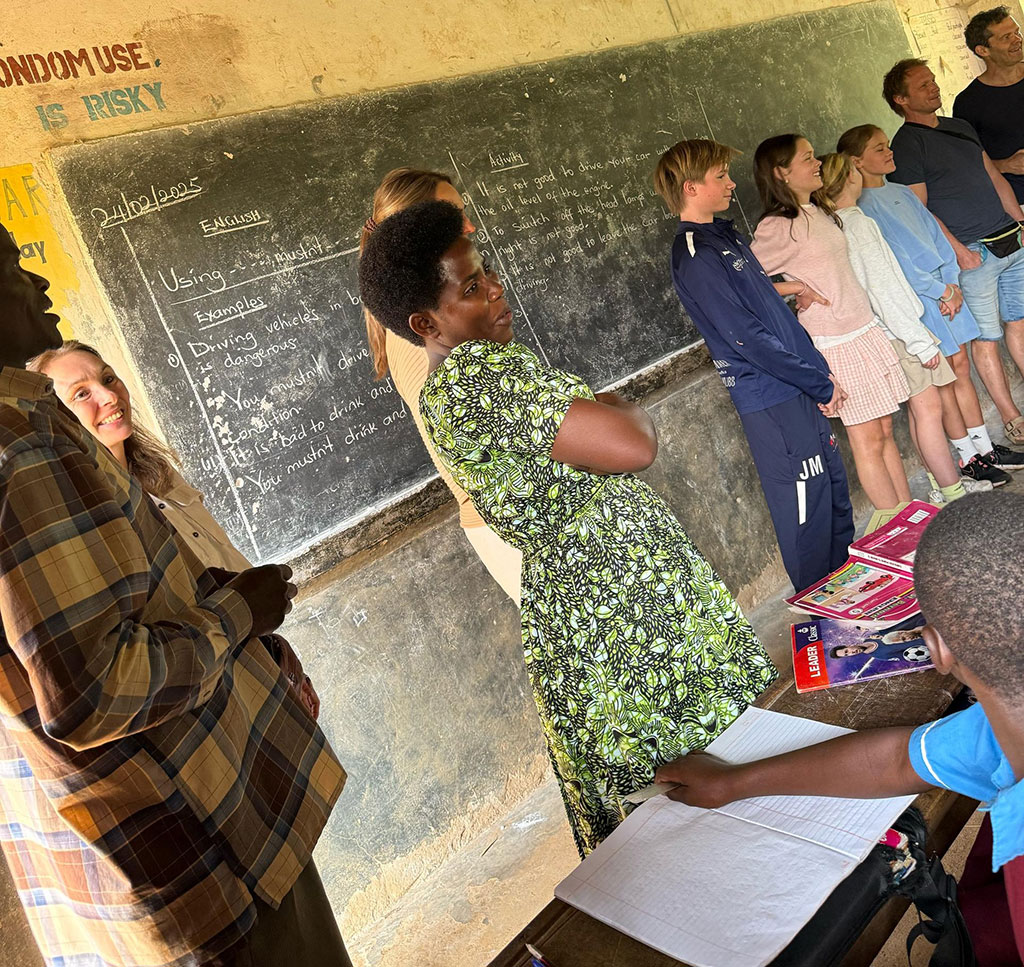
Poverty is a major challenge for orphans in Uganda. Without parental support or financial resources, many children struggle to afford school fees, uniforms, books, and other essentials. As a result, orphans often drop out of school, limiting their future opportunities and perpetuating the cycle of poverty.
Education equips children with knowledge, skills, and qualifications that increase their chances of finding employment or pursuing entrepreneurship. By providing orphans with access to quality education, society can empower them to build sustainable livelihoods, lift themselves out of poverty, and contribute economically to their families and communities. Organizations like Kigezi Foundation play a vital role in addressing these challenges by facilitating access to scholarships, school supplies, and support systems for orphans across Uganda.
Building Confidence and Emotional Resilience
Orphans often experience trauma, grief, and emotional instability due to the loss of their parents. Education provides a sense of normalcy, routine, and purpose that is essential for emotional healing. Being part of a school community allows children to build friendships, receive mentorship, and engage in activities that nurture their self-esteem and confidence.
Teachers and counselors can offer guidance, psychosocial support, and encouragement, helping orphans navigate the challenges of life without parental care. Over time, these positive experiences foster resilience, emotional intelligence, and a sense of belonging—all of which are crucial for personal growth and long-term success.
Promoting Social Inclusion and Equality
Education promotes social inclusion and equality, especially for vulnerable populations like orphans. In Uganda, orphans are often stigmatized or marginalized due to their family circumstances. Schools provide a platform for social integration, enabling children to interact with peers from different backgrounds, develop empathy, and understand societal norms.
Inclusive education helps challenge negative stereotypes and ensures that every child, regardless of their family situation, has an equal opportunity to succeed. Organizations supporting orphans, such as Kigezi Foundation, often integrate community programs with educational initiatives, ensuring that children are not only learning academic subjects but also gaining life skills and values that strengthen social cohesion.
Health and Well-Being
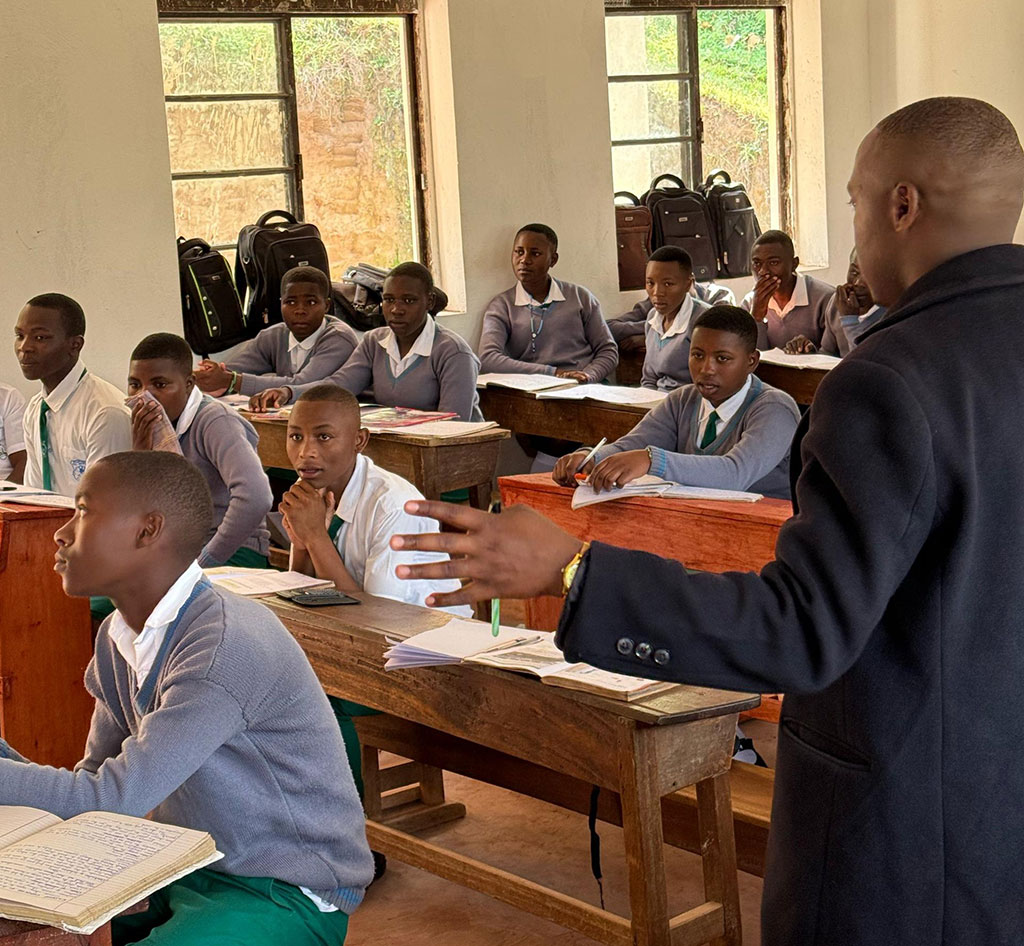
Access to education is closely linked to improved health outcomes. Schools in Uganda often provide essential services such as nutritious meals, health education, vaccinations, and hygiene awareness. For orphans, these services are vital because they may lack proper nutrition and medical care at home.
By attending school, children are more likely to adopt healthy habits, access medical attention when needed, and benefit from structured routines that support physical and mental development. Education also empowers children with knowledge about reproductive health, disease prevention, and personal safety, helping them make informed decisions as they grow older.
Empowering Orphans for the Future
Education equips orphans with skills that extend beyond academics. It fosters critical thinking, problem-solving, communication, and leadership abilities, which are essential for navigating adult life. Educated orphans are better prepared to pursue higher education, vocational training, or entrepreneurial ventures, creating opportunities for self-reliance and financial independence.
Moreover, educated individuals often become community leaders and role models, advocating for social change and inspiring others to pursue education. By investing in the education of orphans today, Uganda is nurturing a generation of empowered citizens who can contribute to national development and break intergenerational cycles of poverty and vulnerability.
The Role of Organizations in Supporting Orphan Education
While the government of Uganda provides free primary education, many orphans still face barriers due to hidden costs, limited school infrastructure, and insufficient psychosocial support. This is where organizations like Kigezi Foundation play a critical role.
Kigezi Foundation provides a platform where donors and well-wishers can contribute to supporting orphans’ education. The foundation facilitates access to scholarships, learning materials, mentorship programs, and healthcare, ensuring that orphans have a holistic support system. By connecting donors with orphans in need, Kigezi Foundation helps create a sustainable model of educational empowerment that addresses both academic and emotional development.
Challenges and the Way Forward
Despite the benefits, many challenges remain. High poverty rates, inadequate school facilities, and social stigma continue to limit educational access for orphans. Additionally, the COVID-19 pandemic and other socio-economic factors have disrupted schooling, leaving many children behind.
Addressing these challenges requires a multi-faceted approach:
- Community involvement: Local communities must support orphaned children through mentorship, foster care, and community-based learning initiatives.
- Government support: Policy reforms and increased funding for orphan education are necessary to provide quality education and social protection programs.
- Donor engagement: Philanthropic organizations and individuals must continue funding scholarships, infrastructure, and psychosocial support services for orphans.
Through combined efforts, it is possible to create an environment where every orphan in Uganda can access education and thrive despite their circumstances.
Conclusion
Education is more than just learning from textbooks; it is a vital lifeline for orphans in Uganda. It empowers children, protects them from exploitation, builds resilience, and opens doors to opportunities that can transform their lives. Supporting orphan education is not only a moral responsibility but a strategic investment in Uganda’s future.
Organizations like Kigezi Foundation demonstrate the profound impact of providing education and support to vulnerable children. By contributing to scholarships, school materials, and holistic development programs, donors and communities can help orphans realize their potential, achieve independence, and break free from the cycle of poverty.
Every child deserves the chance to learn, grow, and dream. For orphans in Uganda, education is the key to a brighter, safer, and more hopeful future—a future where they are equipped to shape their destinies and contribute meaningfully to society.